Monday, July 14, 2025

Seeing Red: Pop Culture’s Most Iconic Crimson Moments

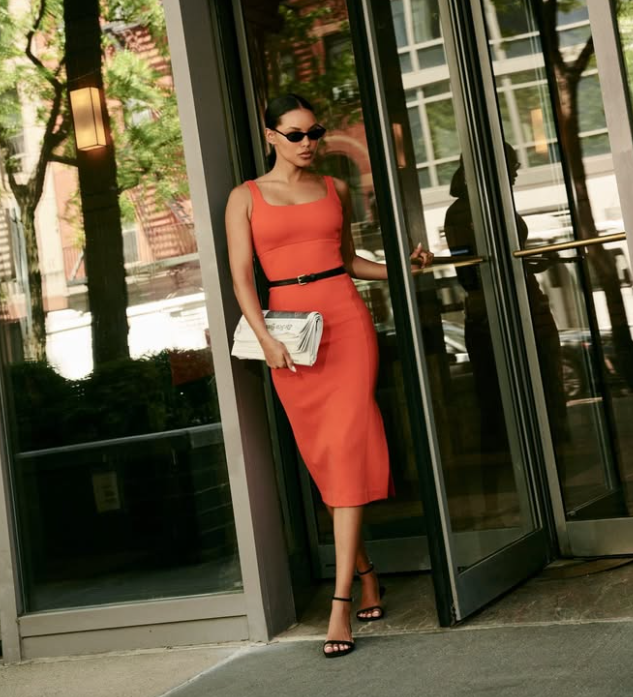
From album covers to movie costumes, stage lights to lipstick shades — red isn't just a color in pop culture, it's a signature. Bold, emotional, and unforgettable, red has become the go-to visual cue for power, seduction, rebellion, and high drama. Let's take a walk through some of the most iconic uses of red in modern entertainment.


🎬 The Red Dress That Broke the Internet

Think Pretty Woman (1990) — Julia Roberts stepping into the opera wearing a crimson off-shoulder gown that became instantly legendary. Or Jennifer Lawrence's unforgettable red number in American Hustle. In film, the red dress is rarely subtle — it's a sign of transformation, attention, and female power.


🎥 The Girl in the Red Coat – Schindler's List

In a mostly black-and-white film, one small red coat cuts through the screen like a scream. Spielberg's use of color here was not only visually jarring but emotionally devastating — red became a symbol of innocence amidst horror. It remains one of the most haunting uses of red in cinema.


💄 The Red Lipstick Effect

From Marilyn Monroe to Rihanna, red lips are a pop icon on their own. They're bold, feminine, defiant — a weapon and a signature. In the 1940s, red lipstick was seen as patriotic. In modern pop, it's a sign of confidence and sexual power.


📀 Taylor Swift's Red Era

With her 2012 album Red, Taylor Swift didn't just use the color in her branding — she created an entire era around it. The red scarf, the red font, the emotional extremes — fans associate this color with heartbreak, youth, and self-discovery. And it worked. The album was a global phenomenon, and the color became part of the Swiftie identity.


📺 Netflix & YouTube: The Streaming Red Giants

Ever wonder why the biggest names in digital entertainment are red? Netflix's bold crimson logo is a beacon in the app lineup. YouTube's red play button is instantly recognizable worldwide. Red grabs attention, signals urgency, and fuels engagement — perfect for the quick-hit world of streaming.


🎤 Lady Gaga's Red Veil Moment at the VMAs

Gaga has had many fashion shocks, but her 2009 VMA red lace outfit — complete with face veil — was a moment. It was mysterious, theatrical, and completely Gaga. Red, in this case, screamed "drama" and became a meme-worthy fashion milestone.


🎮 Nintendo Switch: Playing in Red

When Nintendo launched the Switch, they leaned hard into red — and it paid off. The red Joy-Con became more than hardware; it was a statement: playful, high-energy, and unmistakably Nintendo.


🧠 Why Red Works

Red stimulates faster reactions, raises heart rates, and boosts memory retention. In a world where standing out is everything, red doesn't blend in — it pops. That's why entertainers, brands, and designers keep coming back to it.


🔚 Final Thoughts

Red in pop culture isn't accidental — it's strategic. It symbolizes risk, beauty, chaos, and passion. Whether it's on a dress, a stage, a logo, or a face — when you see red, you remember it.

Tuesday, July 1, 2025

Why Red Never Goes Out of Style in Fashion and Beauty

 There are trends — and then there are timeless statements. Red is one of the few colors in fashion and beauty that has never faded into the background. From Hollywood red carpets to everyday confidence boosters like red lipstick, this color has stood the test of time for one simple reason: it never goes unnoticed.

But what exactly makes red such a lasting icon in fashion and beauty?

Let's dive into the power behind the color that turns heads and sparks emotion wherever it appears.


❤️ 1. Red = Confidence, Power, and Passion

Red has always symbolized strength, passion, and intensity. When someone walks into a room wearing red, it sends a clear message — they're bold, self-assured, and not afraid to be seen.

In color psychology, red is known to raise energy levels, grab attention, and evoke strong feelings. That's why red dresses, red lips, and red heels have become go-to style staples for those wanting to make a lasting impression.

Think about it: Would Marilyn Monroe's classic look be the same without that red lip? Would Rihanna's red carpet moments be as iconic without her love for bold crimson gowns?

Photo by Pinterest


💄 2. The Timeless Red Lip

Few beauty items are as universally iconic as red lipstick. From the silver screens of the 1950s to today's TikTok tutorials, the red lip has never gone out of fashion. It instantly adds polish, glam, and a touch of drama — whether you're dressing up for a night out or just want to feel a little more powerful on a Monday morning.

What's more, red lipstick comes in endless shades — blue-toned for cool undertones, brick-red for warm skin, or true red for the classic Hollywood feel. There's literally a red for everyone.


👠 3. A Wardrobe Essential: The Red Dress (or Blazer, or Heels…)

The “little red dress” may not be as famous as the LBD (little black dress), but it's just as impactful. Red fashion pieces — whether a dress, suit, coat, or pair of heels — bring instant energy to any outfit.

Designers like Valentino have made red their signature, proving season after season that this fiery hue is never a passing trend. Whether on the runway or in street style, red offers a sense of luxury, sex appeal, and fearlessness.


🎨 4. Red in Pop Culture and History

From royalty to rebels, red has always been a color of status and statement.

  • In ancient times, red was a symbol of wealth and power.

  • In Hollywood, red carpets are literally the stage for the world's most fashionable icons.

  • In pop music, artists like Taylor Swift, Lady Gaga, and Beyoncé have all used red imagery to express transformation, empowerment, and sensuality.

Red continues to evolve, but it never disappears.


✨ 5. It's Versatile — and Seasonless

Red works for every season and occasion:

  • Burgundy and oxblood for fall

  • Bright cherry red for summer

  • Crimson glamour for the holidays

  • Muted rose-reds for spring

It pairs with neutrals, denim, black, white, and even clashing brights like pink or orange. In beauty, a swipe of red on the lips or nails can elevate even the simplest look.


🔥 Final Thoughts: Red Is a Lifestyle

Red isn't just a color — it's an attitude. It says “look at me” without apology. Whether it's a bold beauty choice or a fashion-forward outfit, red allows you to show up in the world with passion, power, and presence.

In a sea of trends that come and go, red stands tall — timeless, fearless, and undeniably stylish.

So the next time you're unsure what to wear or which lipstick to swipe on… go red.
It never goes out of style — and neither will you.

Sunday, June 15, 2025

The Communist Who Made Coca-Cola Nervous: How One Man Challenged Empire with a Revolution

 When we think of Coca-Cola, we imagine fizzy sweetness, global advertising, and that iconic red label. But in mid-20th century Latin America, Coca-Cola—like many other multinational corporations—wasn't just a soft drink brand. It was a symbol of American capitalism. And for one revolutionary, it became everything he stood against.

photo by pinterest

This is the story of Jacobo Árbenz, the Guatemalan president who dared to take on U.S. corporate interests—and paid the price.


🟥 A Revolutionary With a Land Plan

Jacobo Árbenz was elected president of Guatemala in 1951. A former army officer with democratic ideals and leftist leanings, he had a vision: to modernize Guatemala and redistribute land to its impoverished peasant majority.

At the heart of his reform was Decree 900, a sweeping agrarian law that expropriated unused land from large landowners and gave it to poor farmers. The goal was bold but simple: economic justice in a country where 2% of the population owned over 70% of arable land.

One of the biggest landowners affected? United Fruit Company (UFCO)—a powerful U.S. corporation with massive banana plantations, close ties to Washington, and a direct line to the CIA.


🥤 Coca-Cola and the Cold War Fear

While United Fruit took the biggest hit, Coca-Cola—and other American brands—saw Árbenz as a threat too. Why? Because his reforms sent a chilling message: corporate monopolies weren't untouchable anymore. And if Guatemala's government could nationalize foreign-owned land, who was next?

In Cold War-era America, where any redistribution of wealth was labeled “communism,” Árbenz's policies were branded as Soviet-backed revolution, even though he was never a communist party member.

Still, the narrative took hold.


🎯 Coup, Propaganda, and the Fall

The United States—under President Eisenhower and with the help of the Dulles brothers (who, surprise, had ties to United Fruit)—launched Operation PBSUCCESS in 1954: a CIA-backed coup that deposed Árbenz.

The operation used psychological warfare, propaganda, and mercenary forces. Árbenz, betrayed by his own military and without Soviet support, resigned. He spent the rest of his life in exile, his legacy buried under Cold War politics.

But what really happened was clear: a democratically elected leader tried to limit corporate power, and the corporations won.


🧃 The Real “Red Scare” Wasn't Just About Communism

Jacobo Árbenz didn't lead a socialist dictatorship. He didn't abolish elections. He didn't ban religion.
What he did do was challenge a world order in which multinational corporations had more power than governments.

And that's why companies like Coca-Cola, United Fruit, and their friends in Washington were nervous.

This story isn't just history. It's a case study in how economic reform becomes a threat—not because it's violent, but because it works.


💡 Why This Still Matters

In today's world, conversations around capitalism, corporate power, and wealth inequality are louder than ever. The legacy of Árbenz reminds us that the lines between democracy, socialism, and capitalism are not as clear-cut as we're often told.

Sometimes, the most radical thing a leader can do isn't seizing power.

It's giving it back to the people.

Tuesday, June 3, 2025

Why Red Rules in June: The Rise of Bold Fashion Statements

 Have you noticed how red seems to dominate your favorite fashion brands' collections every June? From SKIMS to SPANX, many brands are embracing bold crimson tones in their summer releases — and it's not just a coincidence.

Red isn't just a color — it's a statement. And in the world of fashion, June is the perfect time to turn up the heat. Here's why red takes center stage during this vibrant time of year:

photo by spanx


🔥 1. Hot Girl Summer = Bold Colors

June kicks off the official start of summer — and with it comes the season of confidence, freedom, and self-expression. Red, as the color of passion and power, perfectly captures the "Hot Girl Summer" energy that dominates social media and fashion trends.

Whether it's a figure-hugging bodycon dress or a curve-sculpting shapewear piece, red makes a statement. It's sexy, daring, and impossible to ignore — just like summer style should be.

photo by skims


🏳️‍🌈 2. Pride Month Power

June is also Pride Month — a global celebration of the LGBTQ+ community. In the iconic rainbow flag, red stands for life. Many brands release red-themed or rainbow-inspired collections to show their support and align with values of inclusivity, diversity, and empowerment.

Red pieces in June collections often symbolize more than just fashion — they're a show of solidarity, pride, and self-love.


🎉 3. Summer Celebrations & Festivities

From Father's Day to Flag Day and the lead-up to the Fourth of July in the U.S., red is a festive staple. It's bold, patriotic, and energizing — making it a natural choice for summer wardrobes.

Plus, with countless summer parties, holidays, and outdoor events, brands know customers are looking for standout pieces that pop in photos. And few colors perform better on camera than red.


📸 4. Red Is Social-Media Gold

Red instantly catches the eye in a social media feed. For influencers, fashion bloggers, and everyday users alike, a red look is more likely to grab attention and go viral.

Brands like SKIMS and SPANX tap into this visual power, releasing limited red drops that feel instantly Instagram-worthy — and totally summer-ready.


🧘‍♀️ 5. Confidence & Body Positivity

Especially for shapewear and figure-enhancing brands, red represents body confidence and bold femininity. It encourages women to show off their curves and embrace their natural beauty, not hide it.

June is a time when more skin is shown and more confidence is needed. Red empowers women to take up space and feel fierce while doing it.


❤️ Final Thoughts

Red in June isn't a trend — it's a message. It's about celebrating individuality, owning your power, and stepping boldly into the heat of summer. Whether you wear it as lingerie, shapewear, or a summer dress, red is the color of unapologetic confidence.

So don't be surprised when your favorite brand drops a scarlet set next June — they're giving you the color of the season, and a reason to own it.

Tuesday, May 27, 2025

The Cultural Origins Behind the Red Carpet: More Than Just a Walk

 When we hear “red carpet,” we instantly think of flashing cameras, haute couture gowns, and A-listers striking poses under the spotlight. But the tradition of walking the red carpet didn't begin with Hollywood glamour — in fact, its roots stretch far deeper into history, power, and ritual.

So how did a simple strip of red fabric become the most iconic symbol of celebrity status and honor? Let's walk back through time and unravel the story.


🏛️ Ancient Origins: A Path for the Divine

The very first recorded mention of a red carpet appears in Aeschylus' play Agamemnon from 458 B.C. In the Greek tragedy, the titular king returns home from the Trojan War, and his wife Clytemnestra lays out a crimson path for him to walk — a gesture reserved for gods, not mortals.

Agamemnon hesitates, knowing that walking on such a sacred color is a show of arrogance — an early clue that red symbolized something far beyond luxury: divinity, danger, and destiny.


👑 From Royalty to Ritual

Fast forward to medieval and Renaissance Europe, and red carpets became a ceremonial staple in royal courts. Deep red dyes were rare, expensive, and labor-intensive to produce, making them a clear signal of power and wealth. Monarchs and nobles used crimson runners during processions and religious ceremonies, a literal path of privilege.

Only the elite could afford this luxury — and the symbolism of exclusivity began to take hold.


🚂 The Red Carpet Hits the Rails

It wasn't until the early 20th century that red carpets moved into more public visibility. In 1902, the New York Central Railroad rolled out a red carpet to guide passengers boarding the 20th Century Limited — a luxury train traveling between New York and Chicago.

This clever marketing move turned boarding into a performance and helped brand the phrase “red carpet treatment” — signaling elite customer experience.


🎬 Hollywood Adopts the Symbol

In 1922, the red carpet made its way to Hollywood, rolled out in front of Grauman's Egyptian Theatre for the premiere of Robin Hood starring Douglas Fairbanks. It became tradition.

By 1961, the Academy Awards adopted the red carpet as the official path to the ceremony. And with the rise of television in the 1960s and '70s, red carpet arrivals became an event of their own — part of the spectacle, part of the performance.

Today, the red carpet isn't just a floor covering — it's a global media platform.


💃 What the Red Carpet Means Today

The modern red carpet is more than tradition — it's a cultural stage:

  • A fashion runway that launches careers and headlines

  • A PR battlefield where image, identity, and influence are curated

  • A space for activism (think: black dresses at the Golden Globes, political pins, and protest statements)

  • A global broadcast that celebrates (and critiques) celebrity

Even virtual events now replicate the "red carpet moment," proving that its power has transcended the physical.


❤️ A Color With Timeless Power

Red has always been more than a color — it's emotion, energy, and elevation. From Greek tragedies to Oscars-night triumphs, the red carpet carries a legacy of storytelling, status, and spectacle.

So the next time you see a celebrity strike a pose on a red carpet, remember — they're not just making an entrance.
They're stepping into a centuries-old tradition of power, performance, and presence.